

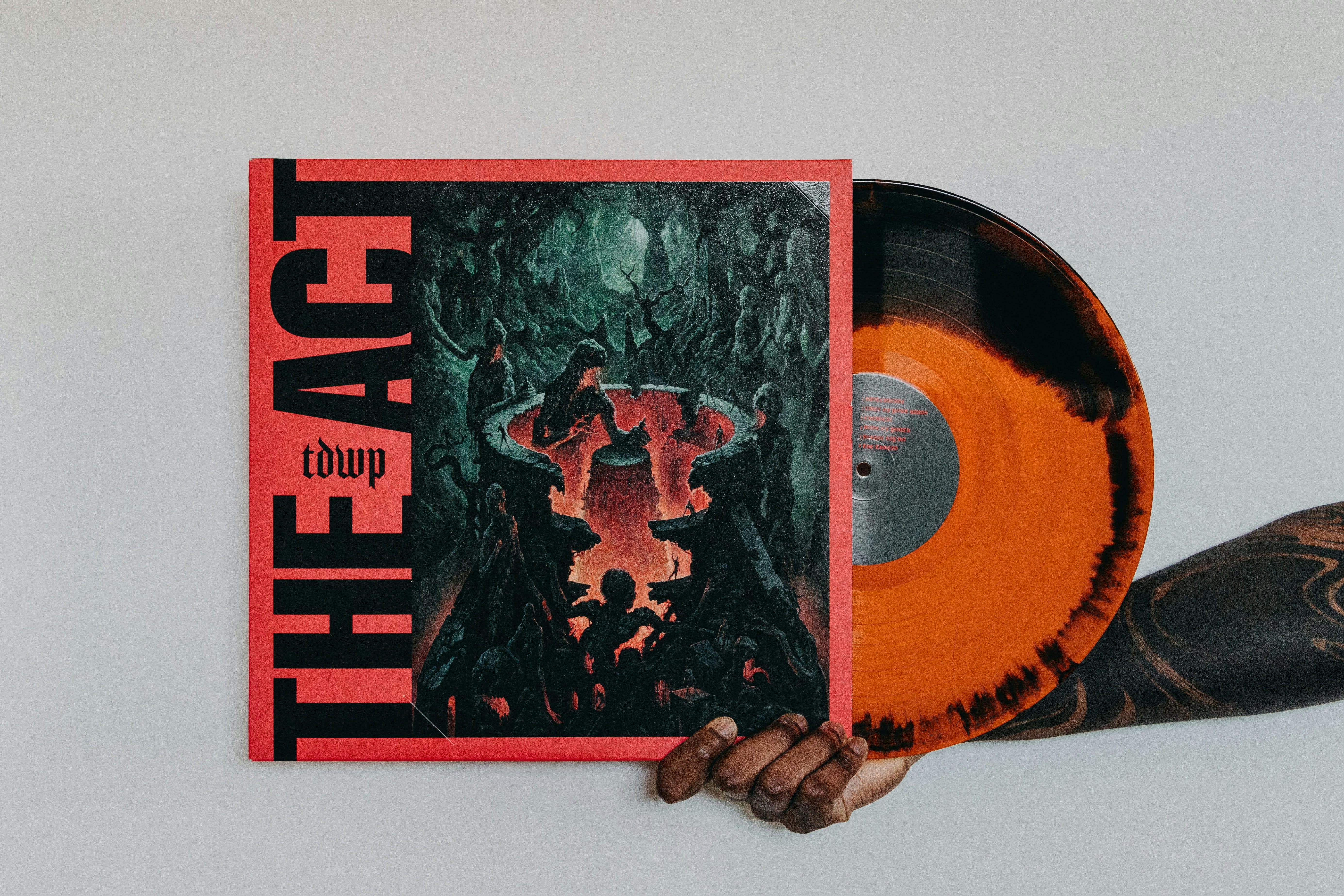
Intro: Rocky Raccoon
Throughout my time writing this newsletter, I have continually returned to the idea of Chesterton’s Fence, an economic principle that cautions against dismantling a (proverbial) “fence” before understanding why it was built in the first place. This maxim is especially relevant for younger generations assessing the past without the benefit of hindsight.
Consider my newfound investment in a record player and vinyl collection: buying vinyl records and subsequently listening to these albums has led me, full circle, to the appeal of playlists. I could cite several examples where I back-solved the benefits of Spotify, but my most recent epiphany came while listening to The Beatles’ White Album—specifically a three-track run from “Blackbird” to “Rocky Raccoon.”
“Blackbird” is one of the most beautiful protest songs ever written—so much so that you are only now realizing it is, indeed, a protest song (inspired by footage of civil rights activists). Then the White Album effectively record-scratches, as this somber elegy is immediately followed by “Piggies” and “Rocky Raccoon.”
“Piggies” is a heavy-handed satire of patrician greed that will hit hard for anyone who has never read Animal Farm or encountered a metaphor, while “Rocky Raccoon” is a strange folk western pastiche that sounds like it should have been unearthed from a lost archive and not made readily accessible on Spotify.
As I trudged through this strange three-song stretch, I began contemplating the continued existence of albums. Sure, vinyl has seen a resurgence, but most consumers pay for streaming services or individual tracks, and thus will know little of “Piggies” and “Rocky Raccoon.” Instead, they’ll hear “Blackbird” by way of a playlist, consuming an all-you-can-eat buffet of their favorite content.
And yet the album format persists, embraced by pop stars like Taylor Swift, Sabrina Carpenter, and Bad Bunny. Which led me to a very simple question: why? Why are albums still popular, and do contemporary listening patterns support the continued existence of this medium?
So today, we’ll explore the album’s commercial decline, how listening patterns have shifted with digital distribution, and whether artists have altered their release strategies in the 21st century.
Are Albums Obsolete in the Streaming Era?
Music distribution has evolved rapidly over the past three decades—from CDs to digital downloads to streaming. The most consequential shift came in the early 2000s with the launch of iTunes, which unbundled the album and reframed music consumption around individual tracks. Consumers embraced this flexibility, and song-level spending—first through downloads, then through streaming subscriptions—started dominating industry revenues.
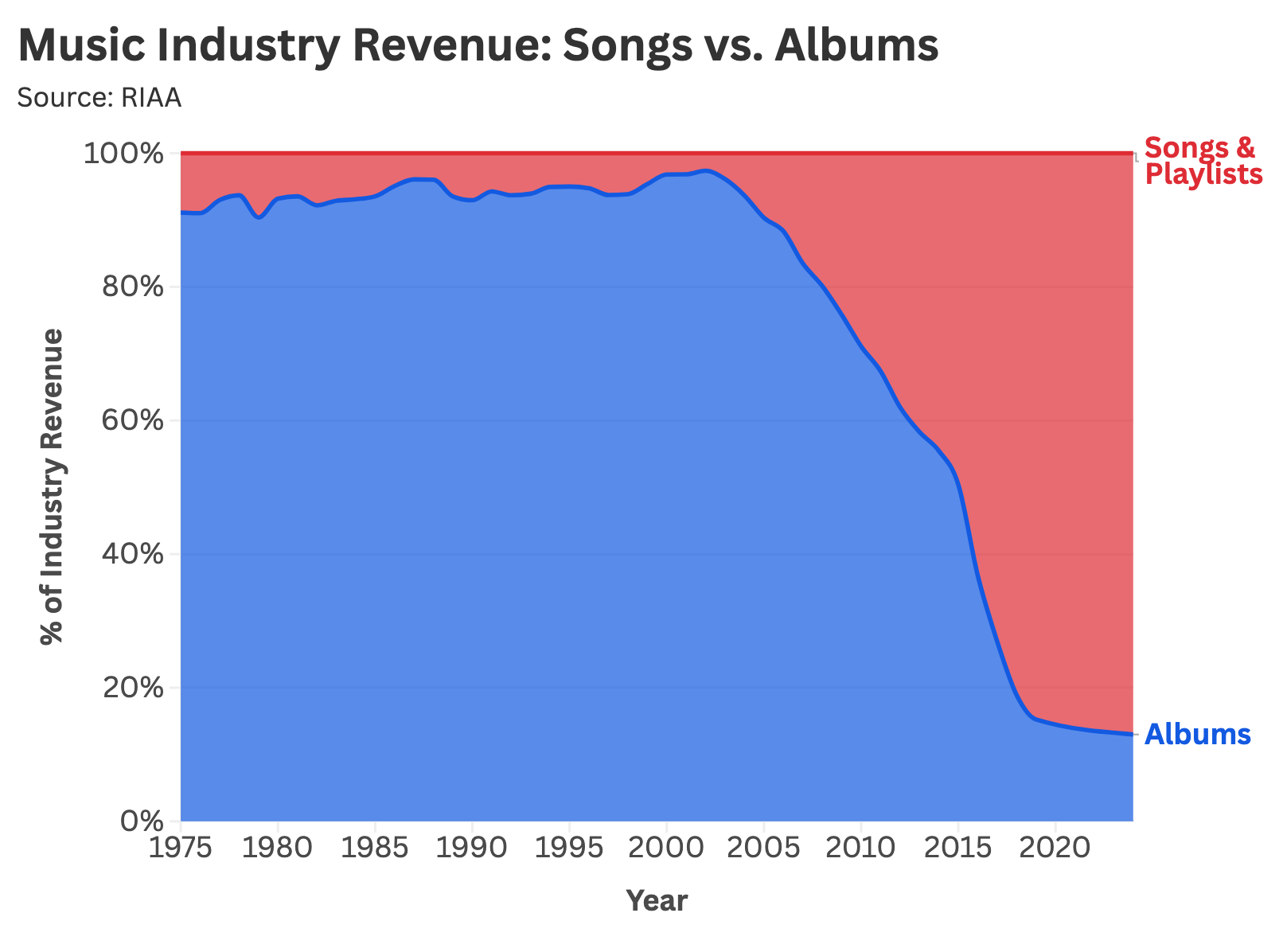
Nearly 90% of music spending is now concentrated at the song level, yet albums of ten or more tracks remain the default release format. This raises an admittedly cynical question: given the extreme imbalance in popularity across tracks on a single record, how inefficient is the album as a distribution strategy?
To quantify how modern listeners engage with albums, we’ll use Spotify listening data to calculate a track’s share of an album’s total streams. For example, if an album generates 100 streams and one song accounts for 25 of them, that track has captured a 25% stream share.
When we apply this calculation to widely-streamed releases, we find a heavily skewed distribution: nearly 75% of songs capture 5% or less of their album’s total streaming activity.
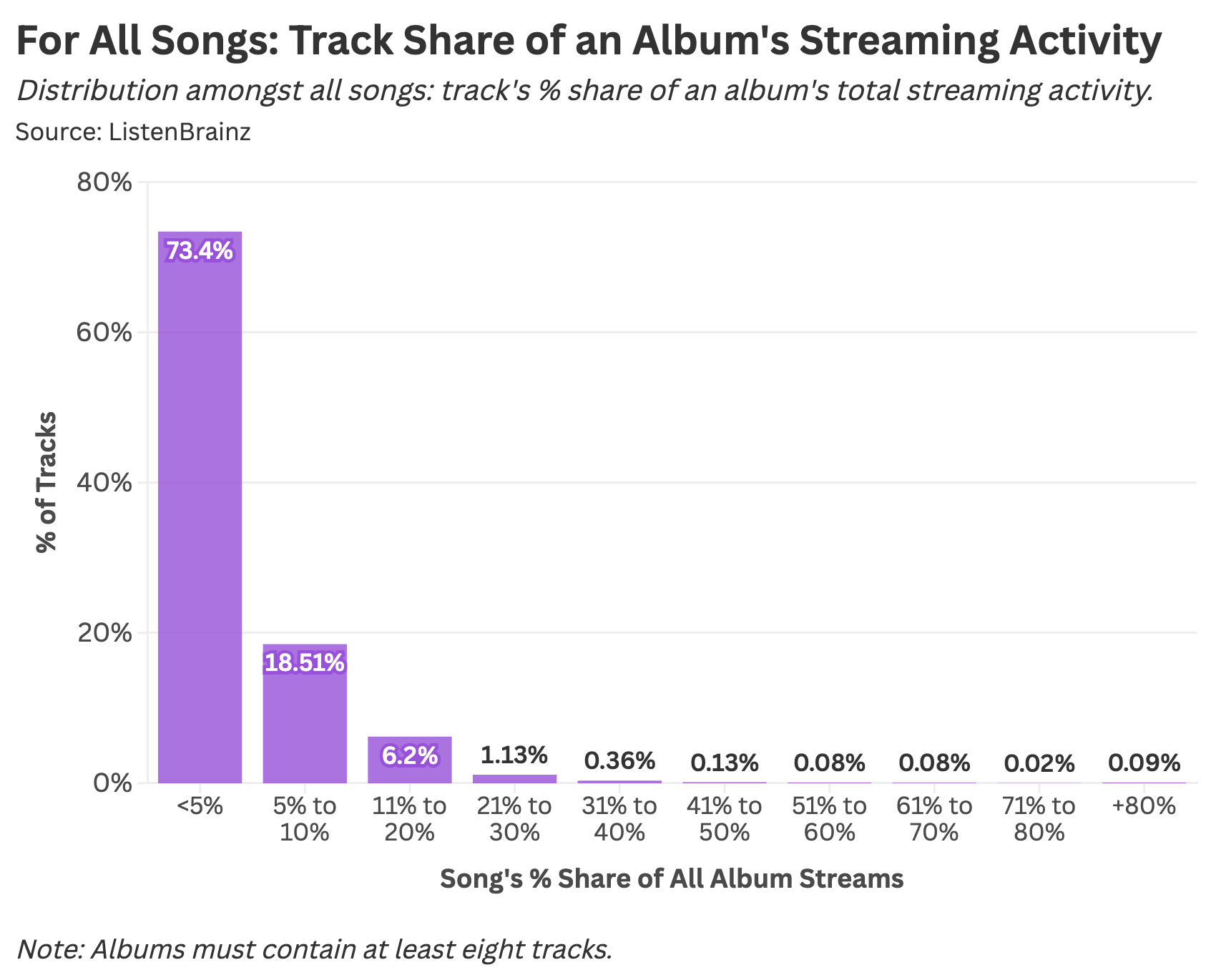
Attention clusters around a record’s two or three hit singles, while most other tracks receive a small fraction of overall listens. The natural next question is whether this pattern is a recent development.
To test this, I analyzed the average streaming share captured by an album’s most-played song. This approach rests on a simple assumption: listeners of works from the 1960s are more likely to engage with albums as complete works, while contemporary listening increasingly centers on standout singles.
Indeed, the album share captured by a record’s best-known track has nearly doubled since the 1960s, subsequently leveling off in the 2010s.
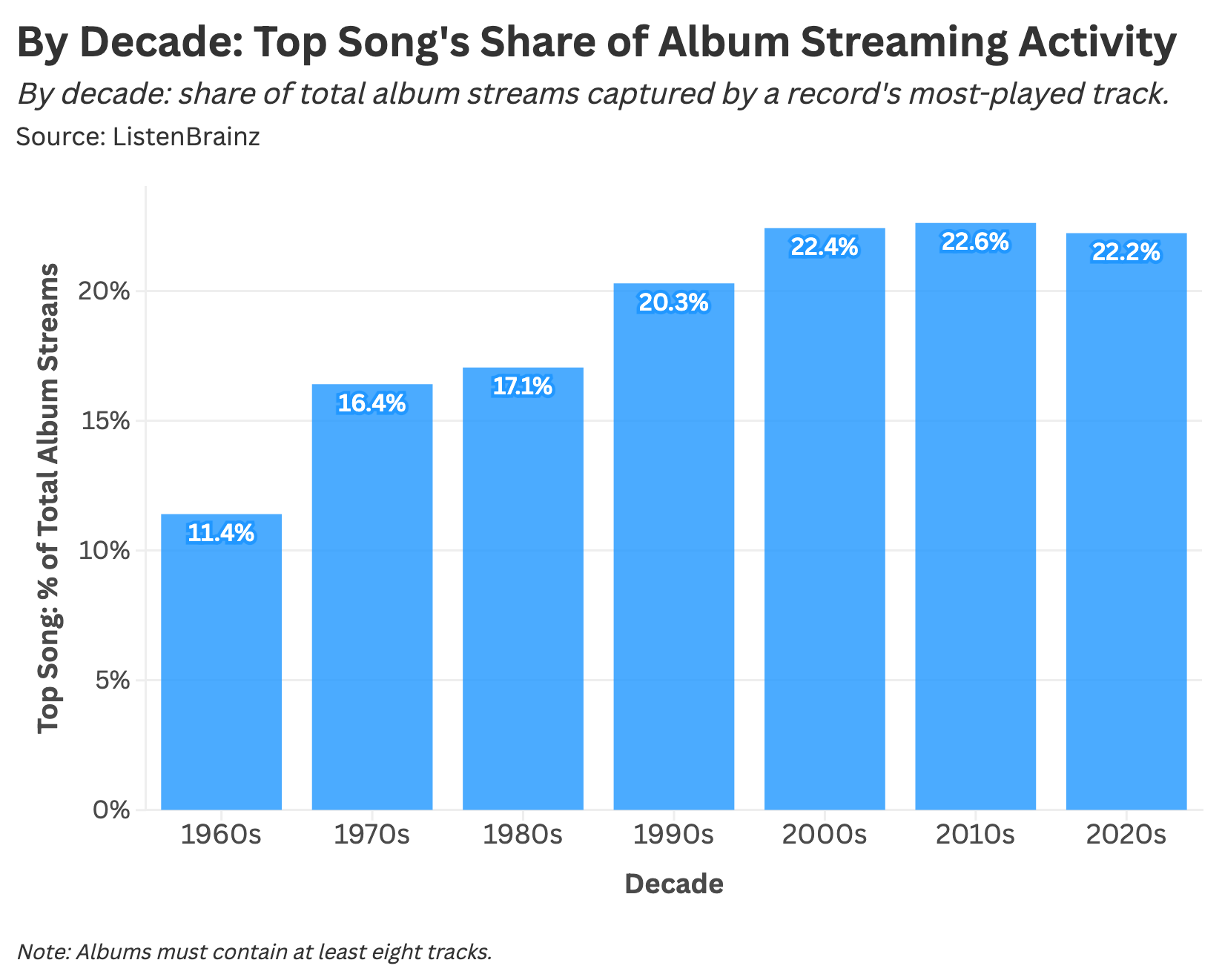
Shifts in listening behavior point to a structural change in how songs are popularized and ingrained in cultural memory. Listeners who encountered Sgt. Pepper’s Lonely Hearts Club Band in the 1960s are probably familiar with deep cuts like “Fixing a Hole” or “A Day in the Life,” while I cannot tell you a Carly Rae Jepsen song that isn’t “Call Me Maybe.”
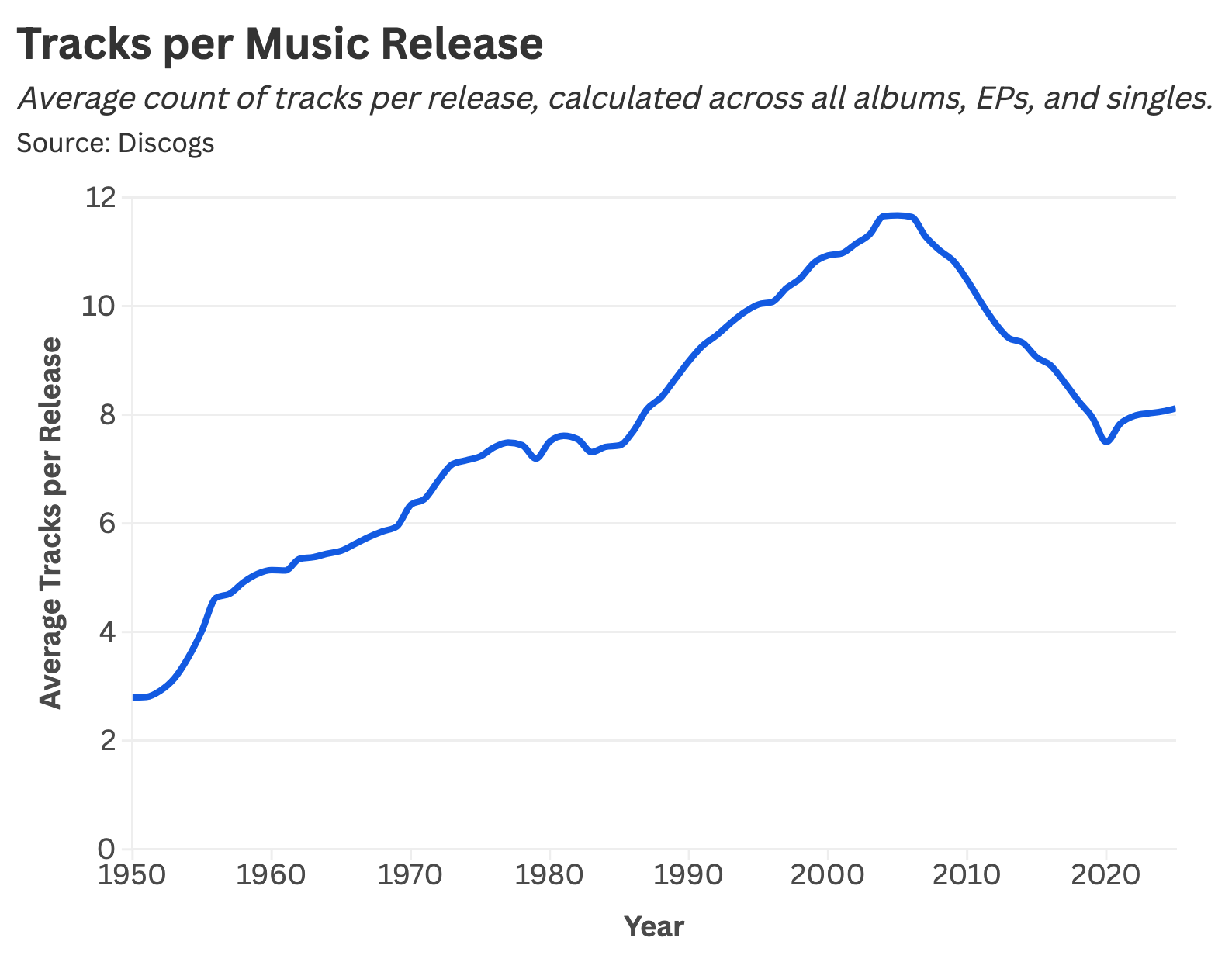
So how have artists adjusted their release strategies in response to listeners’ growing preference for mixing and matching singles? According to Discogs, the average number of tracks per release has steadily declined since the turn of the century.
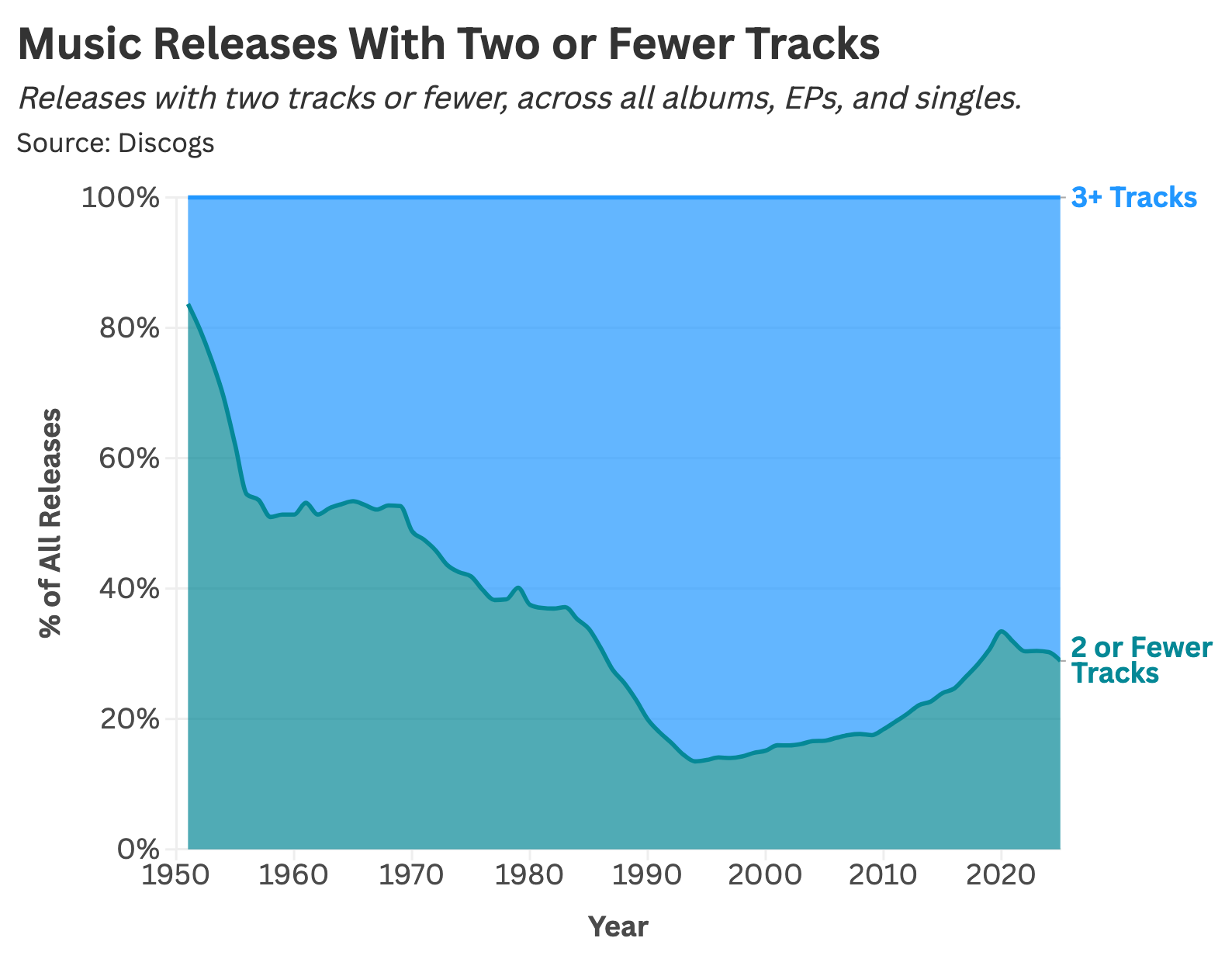
This is mostly driven by an uptick in singles and EPs, formats containing two or fewer songs.
If you were to show this pattern to someone in the 1960s, they would probably be dumbfounded. Until the early 21st century, storage space was a scarce resource that dictated how much music a consumer could receive. With each upgrade in physical media—be it a shift from the 45 rpm record to the 33 rpm vinyl, or a move from cassettes to CDs—consumers typically received more music.
In an era of unlimited digital storage, the way artists package their songs is increasingly obsolete. And while there has been an uptick in EP and single releases, it’s significantly below expectation—or at least my expectation—especially when you consider the complete and total flattening of the discovery experience.
So why has the album persisted amidst all these changes in distribution and discovery? The rationale is a counterintuitive combination of philosophical and economic.
Enjoying the article thus far and want more data-centric pop culture content?
Final Thoughts: A Complete Artistic Statement
In 2024, long-simmering tensions between Drake and Kendrick Lamar erupted into open feud, with both artists trading increasingly personal diss tracks. Rather than waiting for a traditional album release, the rappers dropped new songs within days—and at times hours—of one another, using streaming platforms to respond in real time.
The episode underscored how easily modern artists can compress release timelines when they want to. Which raises an intriguing question: if rapid, single-track releases are commercially viable, why do roughly 70% of artists package their music in ten-to-fourteen-track chunks?
Ultimately, the album’s cultural staying power can be traced to three underlying phenomena:
Industry Inertia and Promotion: Record deals, rollout playbooks, advances, tour planning, promotion cycles, and coordinated label support remain organized around multi-track albums. Listening habits have changed, but the industry’s marketing machinery is still calibrated to the album format.
Risk Diversification: Song popularity is highly skewed, favoring outlier mega-hits. Releasing multiple tracks at once increases the odds that at least one song will break through.
A Complete Artistic Statement: Albums offer cohesion, intention, and a unified point of view in a way individual tracks rarely can. By bundling songs together, artists assert greater control over how their work is framed and interpreted.
I find this last point particularly compelling when examining artists with long-running careers.
Recently, a friend asked what my favorite Taylor Swift album is, and as I considered my answer, I thought about what each record represents in her career. I understand this reads like an advertisement for The Eras Tour, but perhaps that’s a testament to how well she monetizes awareness of her celebrity (after all, she’s a billionaire and we’re not).
I first encountered Taylor Swift when I was a teenager who enjoyed country music (because yes, she used to be a country artist; a fact that will one day sound apocryphal). Over the past two decades, it’s been fascinating to watch her move from country to pop and ultimately become the defining pop star of her generation—an evolution you can track album by album.
The same lens can be applied to most legendary music acts: you can trace when The Beatles embraced psychedelia, or watch David Bowie’s shifting personas unfold record by record.
The album may be inflexible in design, but it’s remarkably dynamic in function. It can serve as a marketing vehicle, a career milestone, a calculated attempt at a hit, or a cohesive artistic statement. It’s a medium where the whole may be greater than the sum of its parts, especially when those parts are “Piggies” and “Rocky Raccoon.”
Enjoyed the article? Support Stat Significant with a tip!
If you like this essay, you can support Stat Significant through a tip-jar contribution. All posts remain free; this is simply a way to help sustain the publication. You can contribute with:
A Recurring Donation:
*Note: For best results, open this link in a web browser while logged in to your Substack account.
Want to promote your data tool or media publication to Stat Significant’s 24,800 readers? Email daniel@statsignificant.com
Need help with a data problem? Book a free data consultation
Connect with me on LinkedIn if you want to chat about a data project.
Like movies? Follow me on Letterboxd
Daniel, good piece - how did you miss my new book Body of Work: how the album outplayed the algorithm and survived playlist culture? I’ll have to write a second edition now! (Only came out last week btw)! ☺️ https://www.penguinrandomhouse.com/books/813195/body-of-work-by-keith-jopling/
I know I'm biased and have a biased reader base, but I'm incredibly grateful that the album hasn't died. I think that format continues to be critical to musical expression, and most music lovers I know are serious about full album listening (even though playlist have a place!)